
December 30, 2025 · USA
Learn how to evaluate Amazon deals before buying. Discover tips for spotting genuine discounts, understanding reviews, leveraging Amazon events, and shopping smarter online.
Every Amazon shopper knows this moment.
A price looks good. The discount badge is bright. Reviews seem fine. The cart feels justified.
And then a quiet thought creeps in.
“Is this actually a good deal, or just a good-looking one?”
That question separates confident shoppers from regretful ones.
This guide exists for that pause. Not to slow shopping down, but to make it smarter.
Why Most Amazon Deals Feel Convincing Even When They Are Not
Amazon does not rely on tricks. It relies on momentum.
Timers, labels like “limited stock,” and comparison pricing push decisions forward quickly. That works because shoppers are busy and distracted, not careless.
The issue is not buying deals.
The issue is buying deals without context.
A deal is only worth buying when it holds up after the excitement fades.
How urgency and visuals influence decisions
For shoppers who enjoy browsing curated deals rather than searching endlessly, Amazon’s discovery-focused sections like Amazon Haul shopping experience can make deal evaluation easier.
Start Here: Ignore the Discount and Look at the Problem It Solves
Before checking the price, look at the product and ask one grounded question:
What everyday problem does this solve?
Strong deals usually fix small, repeated frustrations:
- Clutter that never stays organized
- Charging cables that stop working
- Kitchen tools that save time, not space
If the product does not clearly improve daily life, the discount is doing the convincing instead of the value.
Why “70% Off” Often Means Nothing Without Price Context
A large percentage off feels reassuring, but percentages alone do not equal savings.
A smarter move is to:
- Search the same product name directly on Amazon
- Compare similar items from other brands
- Check price history using tools like CamelCamelCamel
When a deal is real, it still looks reasonable without the badge.
You can also sanity-check deals by browsing Amazon’s Daily Deals hub, which shows price drops across categories without hype-driven wording: https://www.amazon.com/todaysdeals
Reviews Matter, But Not the Way Most Shoppers Read Them
Star ratings are easy to scan. Context takes effort.
Instead of focusing on the top reviews, scroll and look for:
- Recent comments from the last 30 to 90 days
- Repeated complaints about the same issue
- Mentions of durability or long-term use
A product with consistent, honest 4-star feedback often performs better than one with exaggerated praise.
The Most Reliable Deals Are the Least Exciting Ones
This is where confident shopping starts to feel boring. In a good way.
Products that quietly deliver value usually:
- Get used weekly or daily
- Replace something already owned
- Save time instead of adding features
That is why home essentials, organizers, tech accessories, and personal care tools dominate the most satisfying Amazon deals.
They do not trend. They stick.
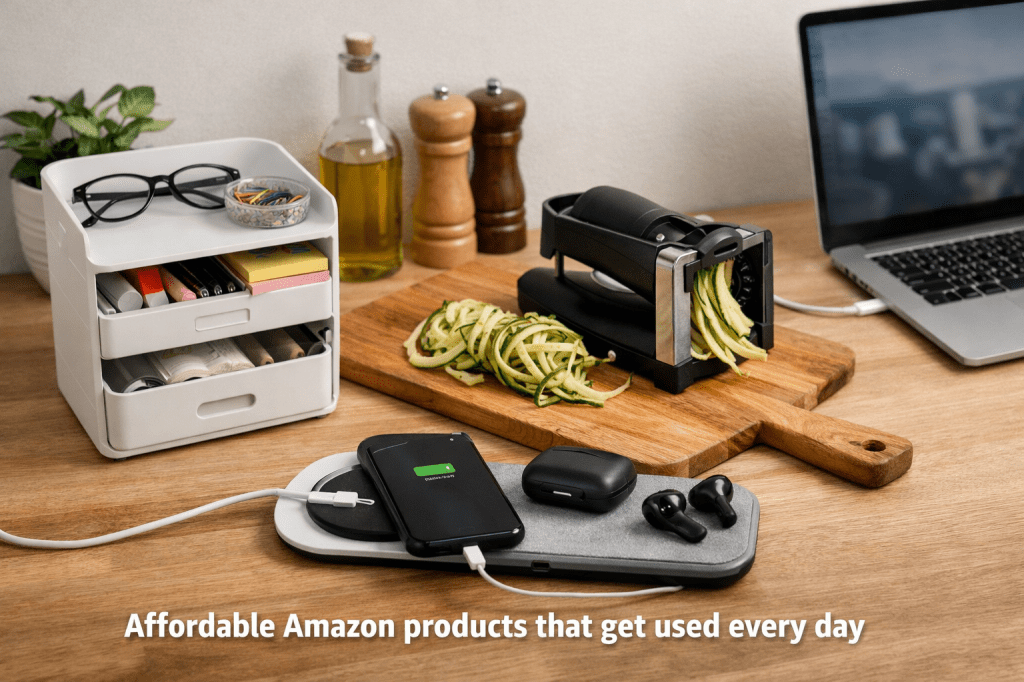
Many of the most reliable everyday purchases fall into predictable price ranges, especially among Amazon deals under $50 that focus on utility rather than novelty.
Returns Are Part of the Value Equation
A deal that cannot be returned easily is not fully discounted.
Before buying, check:
- Is the item fulfilled by Amazon?
- Does the seller have consistent feedback?
- Is the return window clear?
Confidence increases when there is a safety net. That alone improves the deal.
Why Amazon Services Often Outperform Product Deals
Some of the best value on Amazon is not physical.
Amazon regularly promotes services that lower overall shopping costs and improve convenience. These offers often come with free trials, which removes risk entirely.
Examples shoppers frequently benefit from include:
Amazon Prime
Faster delivery, exclusive pricing, and bundled services
https://www.amazon.com/amazonprime
Prime for Young Adults
Discounted Prime access for eligible shoppers
https://www.amazon.com/joinyoungadult
These are not impulse buys. They quietly improve the entire shopping experience.
How Amazon Events Actually Benefit Shoppers
Amazon events exist because certain services consistently add value. When shoppers sign up, they often gain tools they keep using.
Popular options include:
Prime Video Free Trial
Access to movies and series without immediate commitment
https://www.amazon.com/gp/video/primesignup
Amazon Kids+ Free Trial
Educational and family-friendly content with parental controls
https://www.amazon.com/ftu/home
Amazon Baby Registry
Completion discounts, welcome offers, and long-term savings
https://www.amazon.com/baby-registry
These are not distractions from shopping. They support it.

A Practical Deal Check That Takes Less Than One Minute
Before clicking “Buy Now,” pause and mentally run through this:
- Would this still be useful next month?
- Does the price make sense compared to similar items?
- Are reviews recent and consistent?
- Is returning it easy?
If the answers feel calm instead of rushed, the deal is probably solid.
Why Confident Shoppers Miss Fewer Deals and Regret Fewer Purchases
The strongest shoppers are not the fastest. They are the most comfortable waiting.
They:
- Save items instead of panic-buying
- Track prices over time
- Use Amazon tools intentionally
Deals come and go daily. Value stays.
Final Thoughts
A good Amazon deal does not pressure. It fits.
When shopping decisions are grounded in usefulness, context, and flexibility, discounts stop feeling risky and start feeling reliable.
Confidence is what turns deals into wins.
 Grab & Go Deals
Leave a comment